Sponsored article
Creating a captivating and immersive environment for your tabletop miniatures not only enhances the overall aesthetic but also elevates your storytelling. A swamp-themed base can transport players into a mysterious wetland teeming with life. In this article, we’ll delve into the techniques and materials you need to construct realistic swamp dioramas. Whether you’re a seasoned modeler or a curious newcomer, you’ll find inspiration and practical advice to bring your miniature settings to life.
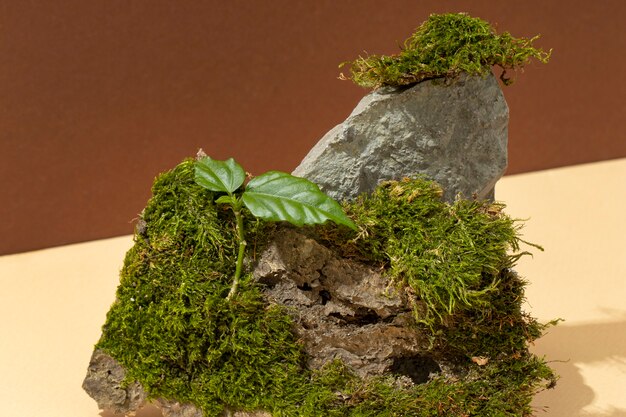
Choosing the right crafting materials is crucial for creating compelling swamp miniature bases that captivate players’ imaginations. One of the primary components you’ll need is high-quality modeling clay, which provides a strong yet moldable foundation to sculpt your swamp terrain. Opt for clay that can be easily shaped and holds intricate details well, ensuring that features like creeping vines or mossy rocks maintain their clarity. Combine this with texture paints or greenstuff to add surface variance, simulating the uneven, marshy environment typical of swamp settings.
For achieving the wet, murky look of swampy water, epoxy resin is an essential material. It allows you to replicate the glossy surface of water and even embed small items like pebbles or reeds to further enhance realism. Consider using colored pigments within your resin to achieve the desired depth and opacity, mimicking the stagnant pools you’d find in an actual swamp. Additional crafting supplies such as fine sand, flocking material, and miniature trees can also help enhance the authenticity of your swamp miniature bases.
You can find more details on this topic at https://www.theprintinggoeseveron.com/product-category/bases/.
Creating realistic swamp dioramas requires a keen eye for detail and the ability to manipulate various elements to enrich depth and authenticity. One effective way to add realism to your swamp-themed miniature bases is through advanced painting techniques. Utilize a palette of greens, browns, and muted yellows to mimic the hues found in natural swamps. Layering and dry brushing can create incredible depth, especially when highlighting raised surfaces like roots and rocks. Use washes to darken recesses, providing a sense of moisture and depth. To achieve a more immersive atmosphere, incorporate color transitions that reflect different levels of water and mud saturation, making sure to blend these hues seamlessly.
Beyond painting techniques, texture creation is essential for simulating mud and water effectively. One popular method involves mixing PVA glue with fine sand to create a muddy base texture that can be easily shaped and painted. For a wet, swampy look, apply a thin layer of glossy varnish or clear resin to simulate water. This not only provides physical texture but also introduces a realistic shine. To enhance the illusion of moving water, use a toothpick or small brush to gently ripple the resin’s surface before it cures. These methods together build a tactile and visual experience that elevates swamp-themed bases into immersive environments.
In creating an immersive swamp-themed environment with miniature bases, integrating flora and fauna successfully is crucial to establishing a convincing ecosystem. One of the keys to achieving this is the strategic selection and placement of miniature plants and swamp wildlife within your diorama ecosystems. Start by choosing miniature plants that are native to swamp habitats, such as small scale versions of cypress trees, cattails, and lily pads. Their varying heights and textures add depth and realism to your scene, making it essential to distribute them thoughtfully across your base. Consider placing taller plants towards the back or center to create a natural gradient that draws the viewer’s eyes into the environment.
Swamp wildlife also plays a vital role in crafting a believable ecosystem. Incorporate creatures like frogs, salamanders, and insects, ensuring they’re positioned in natural, life-like poses. Balance is key in these diorama ecosystems – avoid overcrowding a single area, which can appear unrealistic, by evenly dispersing both flora and fauna throughout the scene. Paying attention to the balance and positioning of each element helps convey a thriving miniature world. By contemplating each component’s role and relationship to the environment, your swamp base can captivate the viewer’s imagination, bringing your miniature universe to life.